The Revival of Slow Vineyards in Douro Valley
Tracing ancient schist walls, ancestral indigenous grapes, and quiet cellar conversations along Portugal's winding waterway.

Julian Vance
Senior Travel Contributor
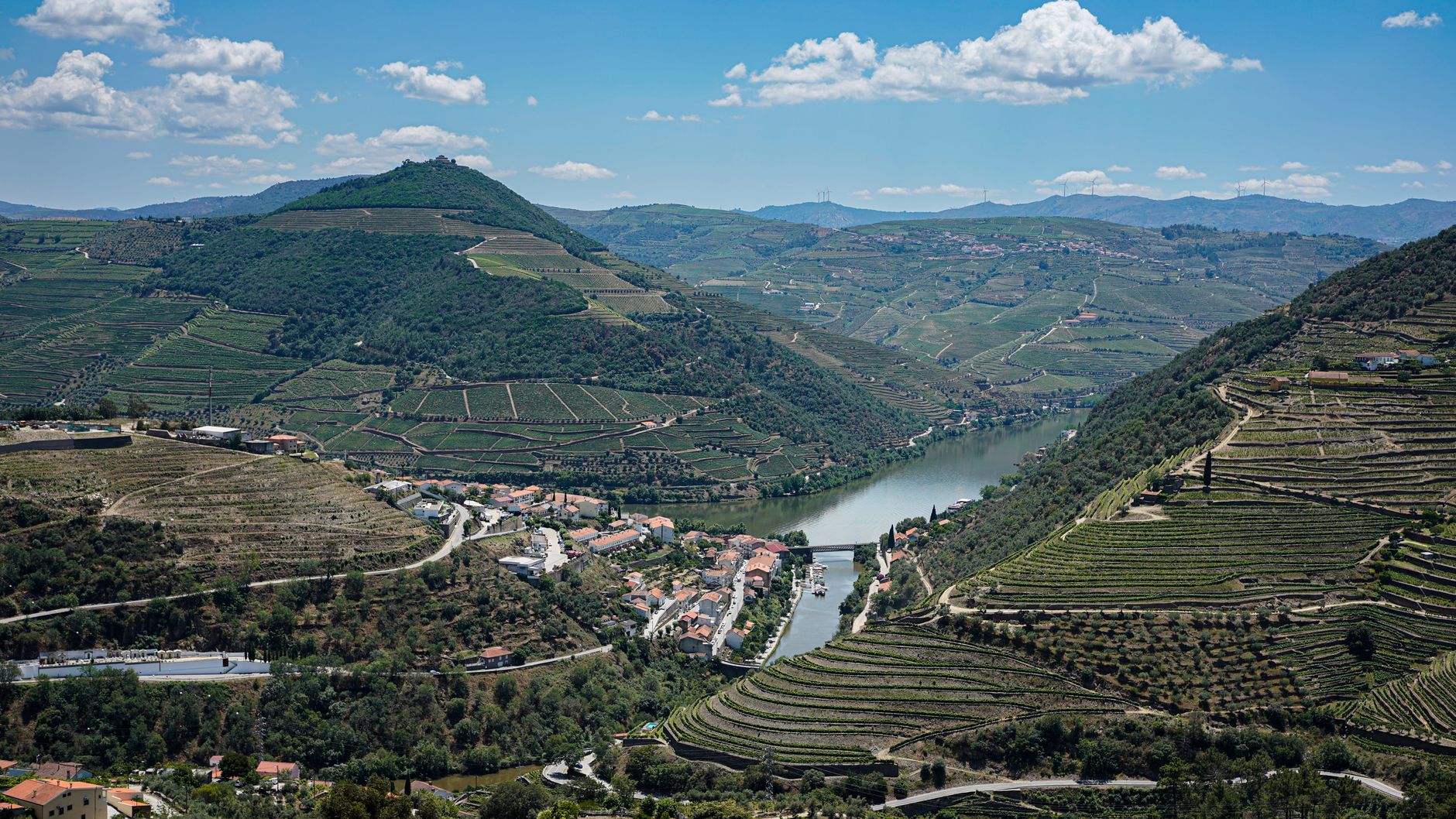
"The stone terraces do not simply hold the soil against torrential rains; they anchor centuries of family devotion against modern haste."
A Landscape Carved by Hand
Climbing the serpentine lanes eastward from Porto, the Douro transforms from industrial estuary into an amphitheater of vertiginous schist slopes. The heat clings to the rock long after sunset, creating microclimates where Touriga Nacional and Tinta Roriz thrive alongside century-old wild olive trees.
For generations, the international market demanded heavy fortified ports, requiring high yields and industrial handling. Yet today, an emergent vanguard of independent winemakers—vigneron families returning after decades abroad—is reviving dry, terroir-driven table wines. Their methods shun synthetic additives in favor of manual destemming in granite lagares, biodynamic cycles, and minimal sulfur intervention.
The Rhythm of the Quinta
Life in the Upper Douro moves according to the shadows cast by the afternoon ridge. Morning begins with fresh sheep's milk cheese, wood-fired broa de milho, and bitter citrus preserves on sunlit stone verandas. Visitors seeking slow travel find solace here not in luxury amenities, but in the contemplative rhythm of the harvest.
- Best Season: Mid-September through late October for foliage and grape harvest festivities.
- Transport: Take the historic Linha do Douro scenic railway from Porto São Bento directly to Pinhão.
- Accommodation: Historic quinta estates converted into small bed & breakfast sanctuaries.
Preserving Schist Heritage
As young winemakers reconstruct fallen drywall terraces by hand, they are also protecting local bio-diversity. Flowering herbs, almond trees, and native pollinators act as natural defenses against blight, preserving both soil integrity and cultural memory.
Plan a Bespoke Journey to Douro
Our advisory team can formulate an exclusive itinerary focusing on private quinta access.